
If you're feeling overwhelmed
Reset your nervous system—for adults who need it
Real breathing and body work that changes how you feel, not just how you think about things.
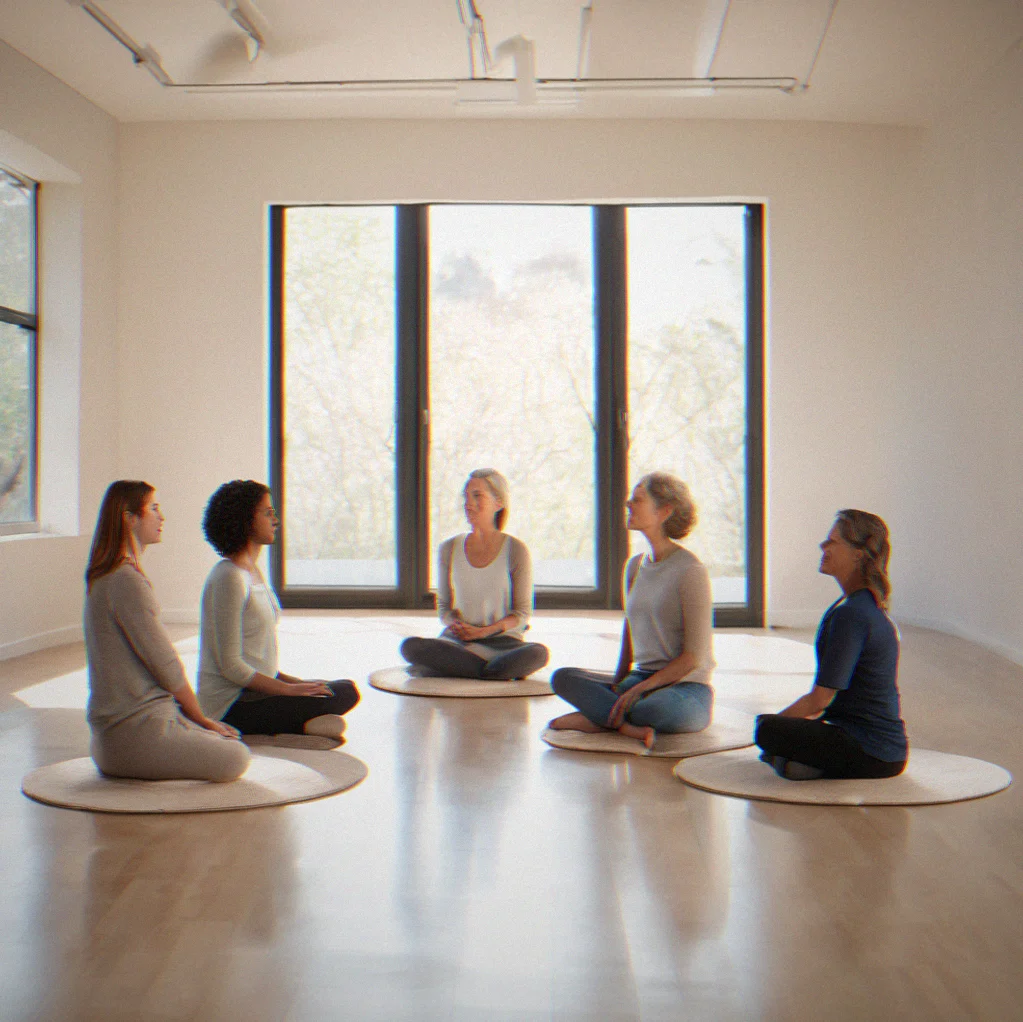
You're exhausted. Probably drowning in apps and self-help programs that sound amazing but end up being just noise. Mellowbridge works differently. We run actual sessions—breathwork, guided meditation, nervous system resets—with a group of real people who show up and do it. Four to twelve of you, together. The facilitators know somatic work inside and out and they don't hide behind spiritual language when things get uncomfortable. You'll feel like someone gets it here. And the changes happen in your body first, before your mind catches up.

How it works
What happens in a session
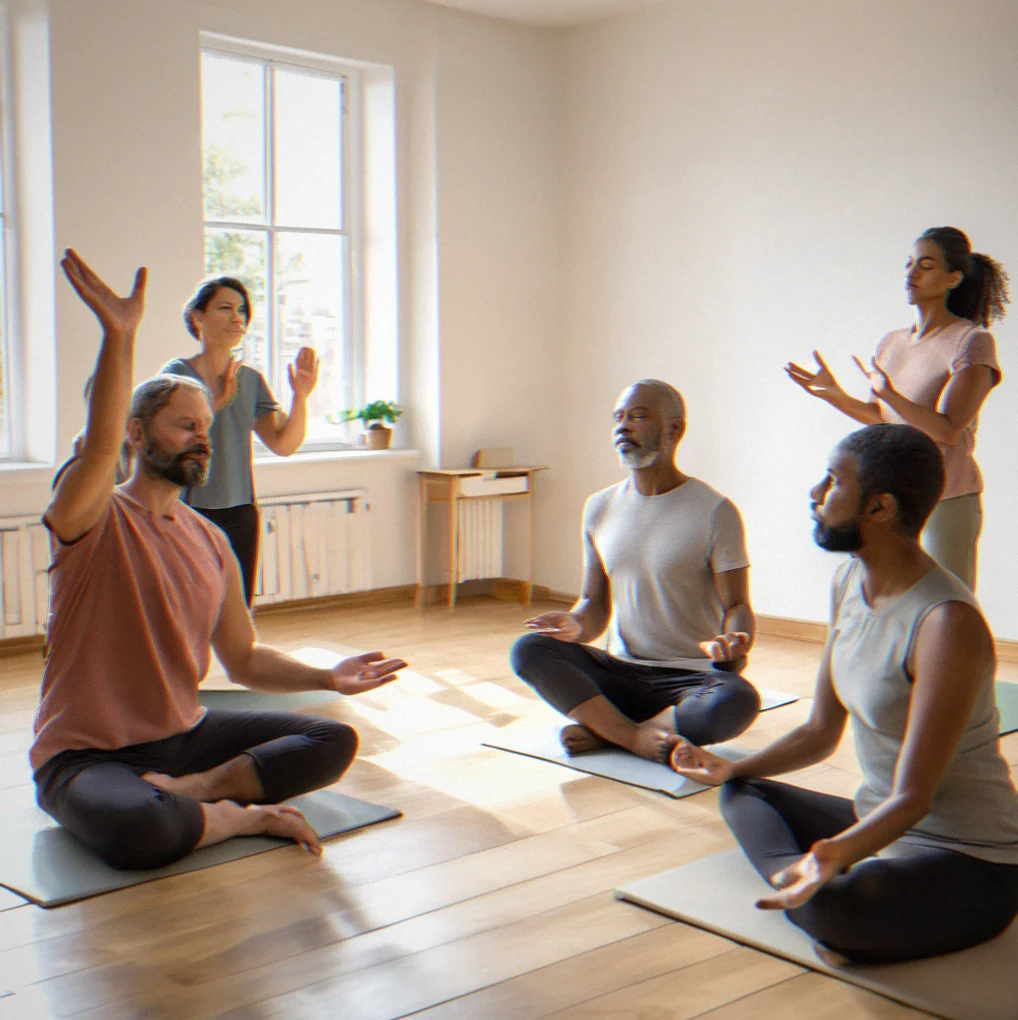
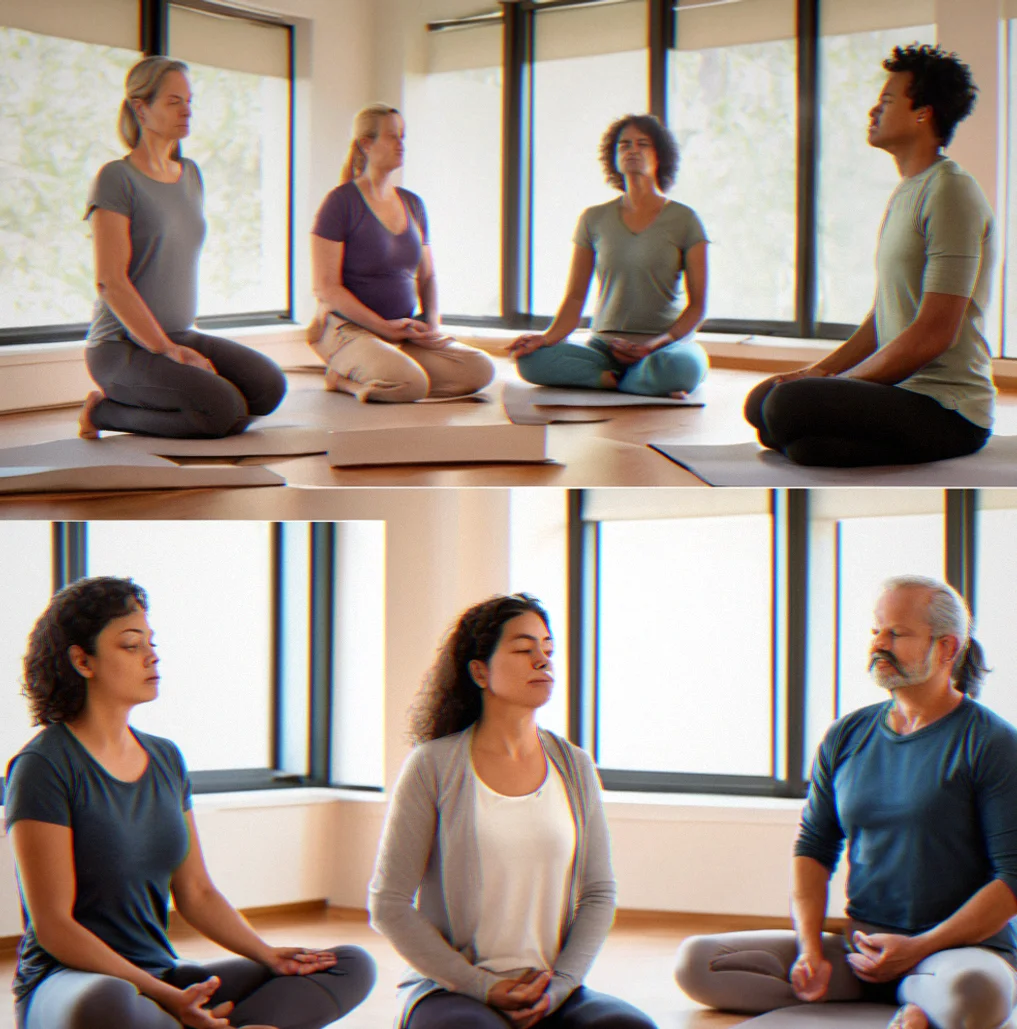
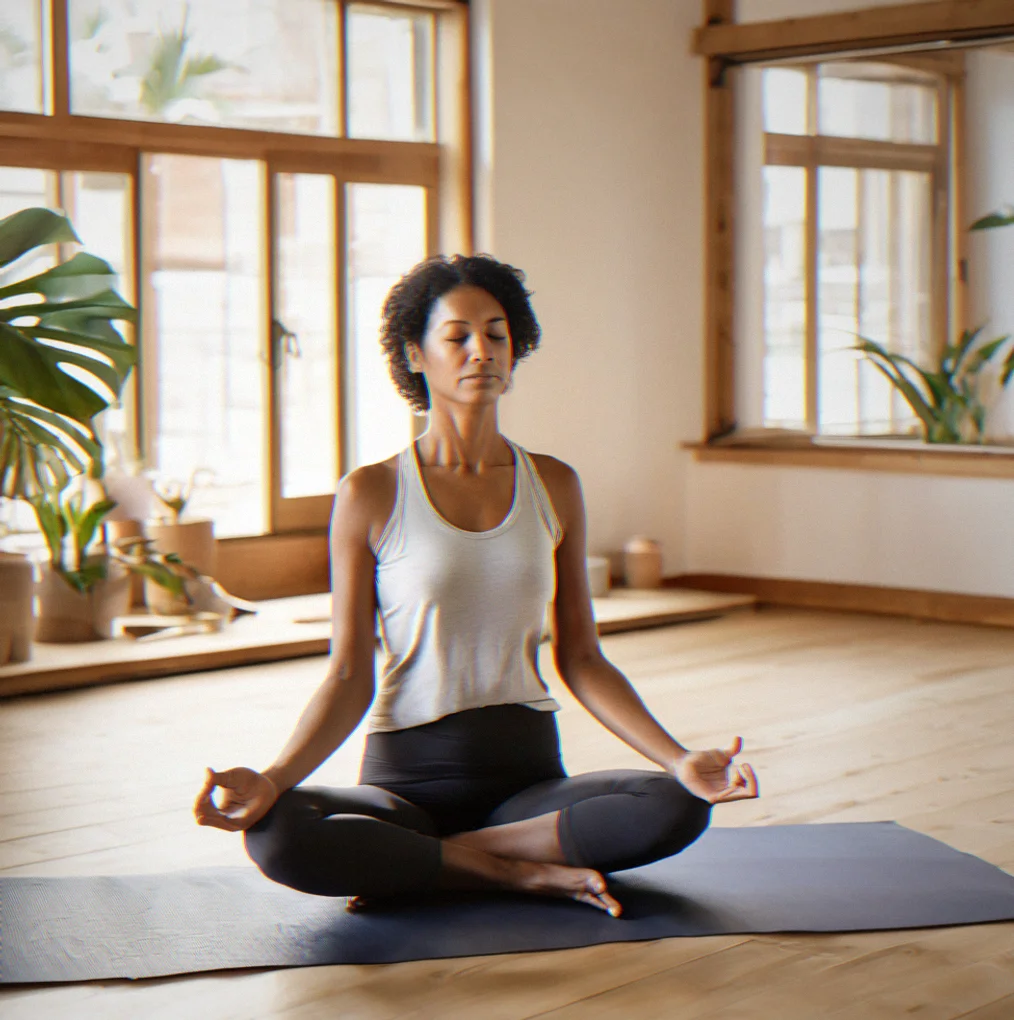
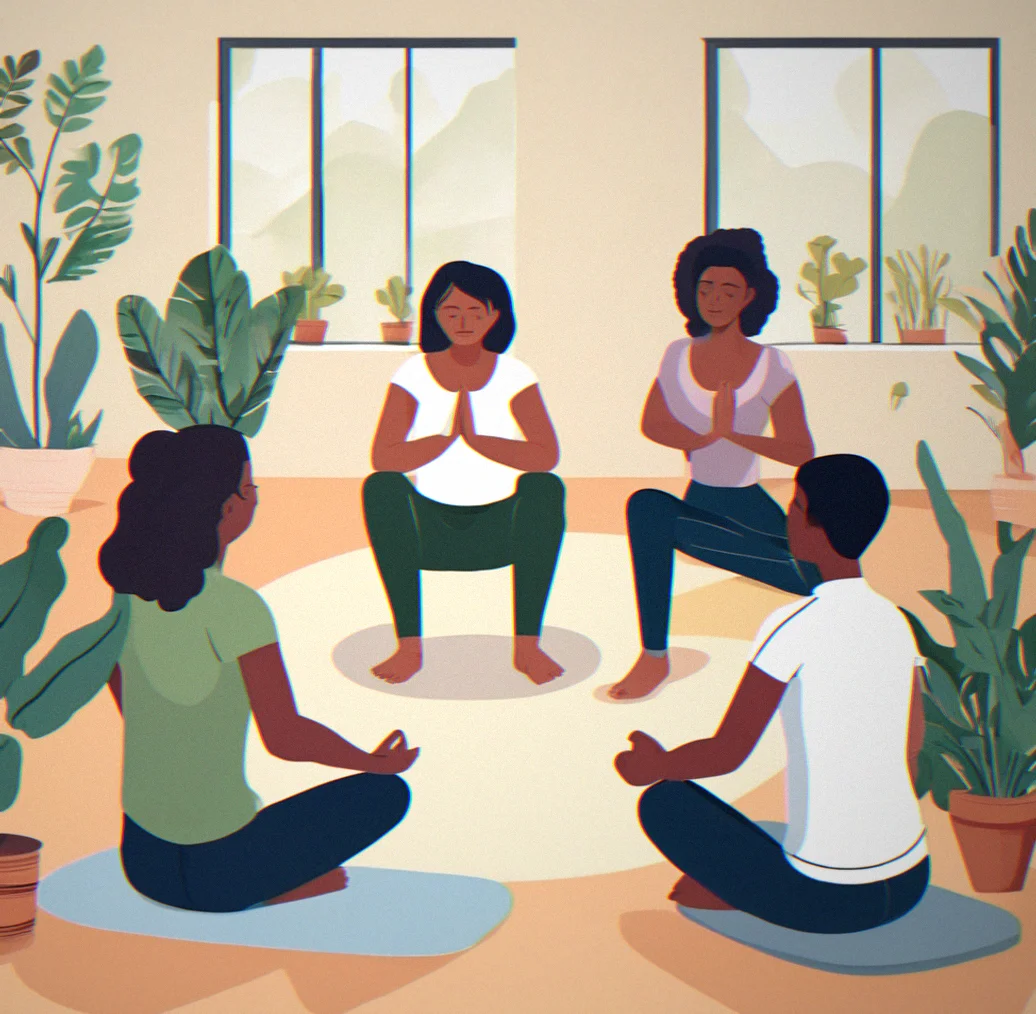
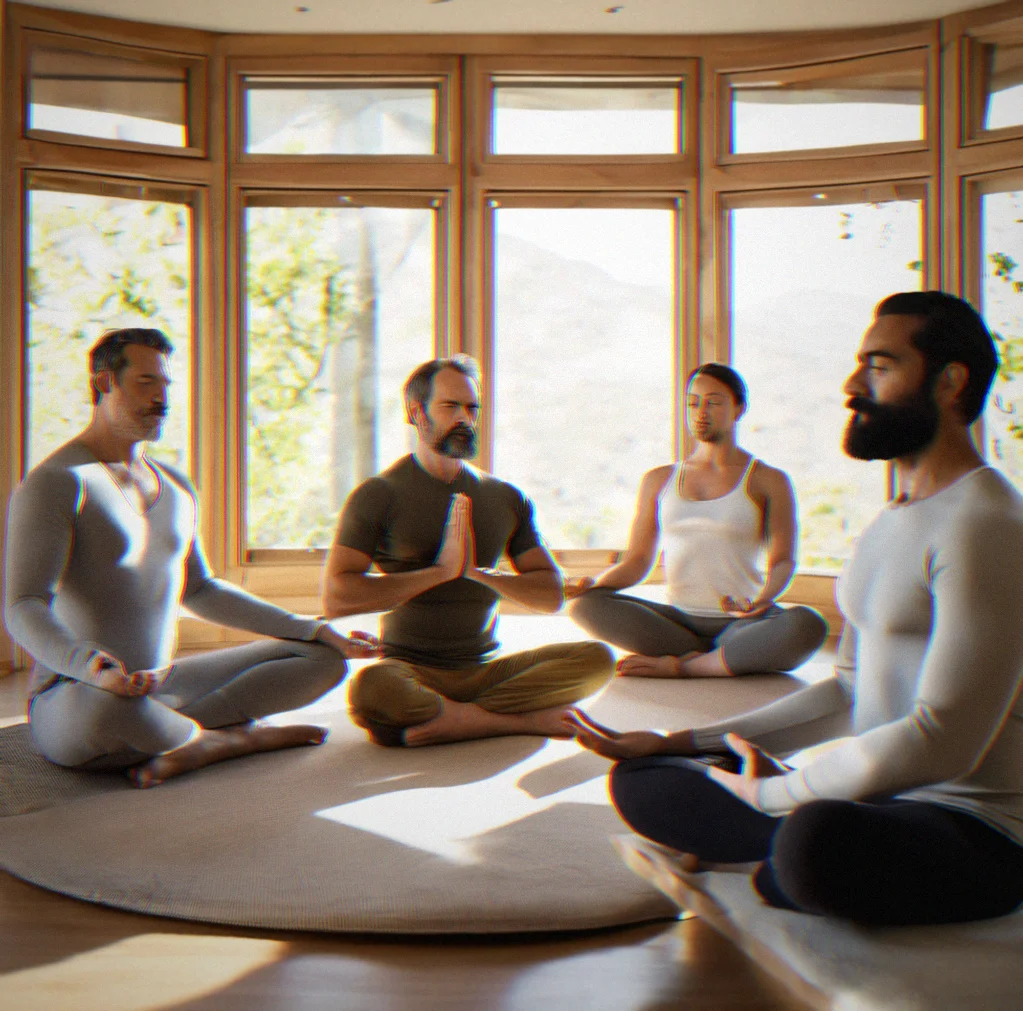
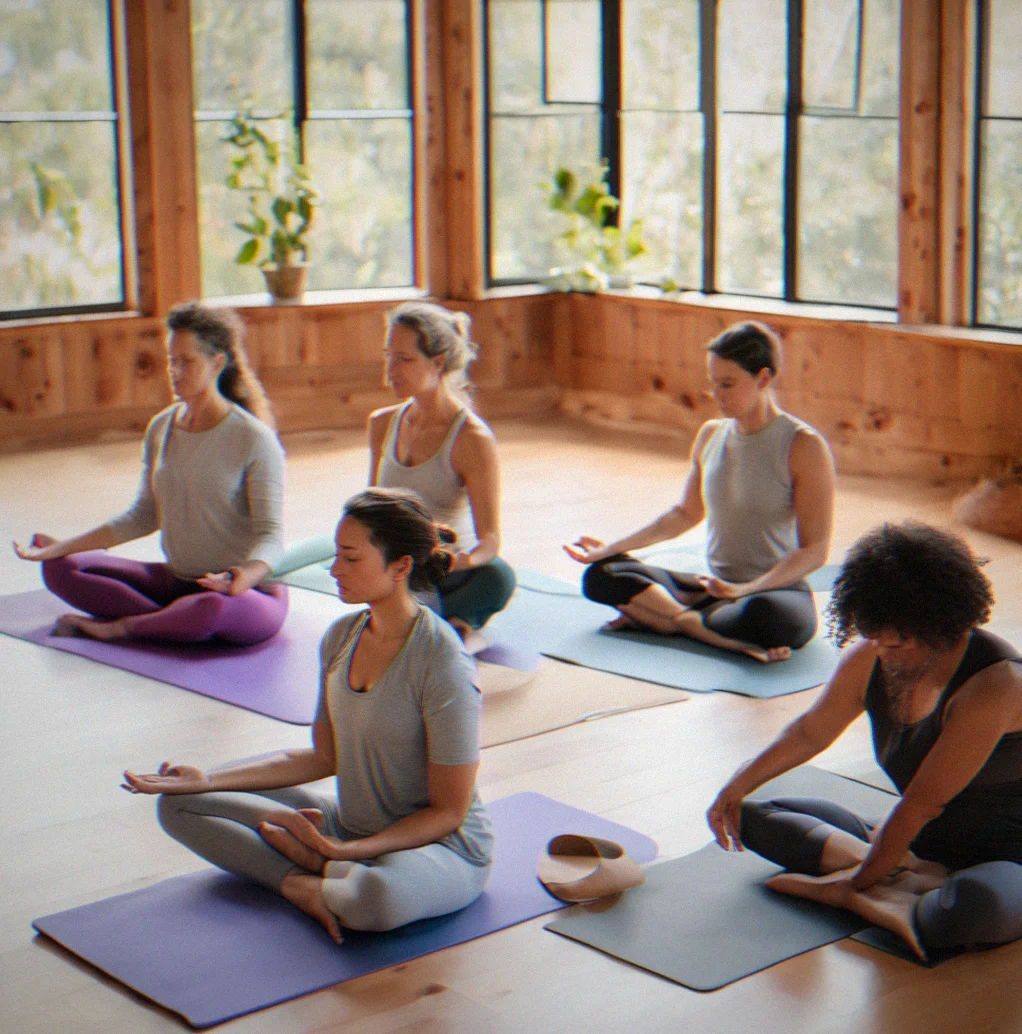
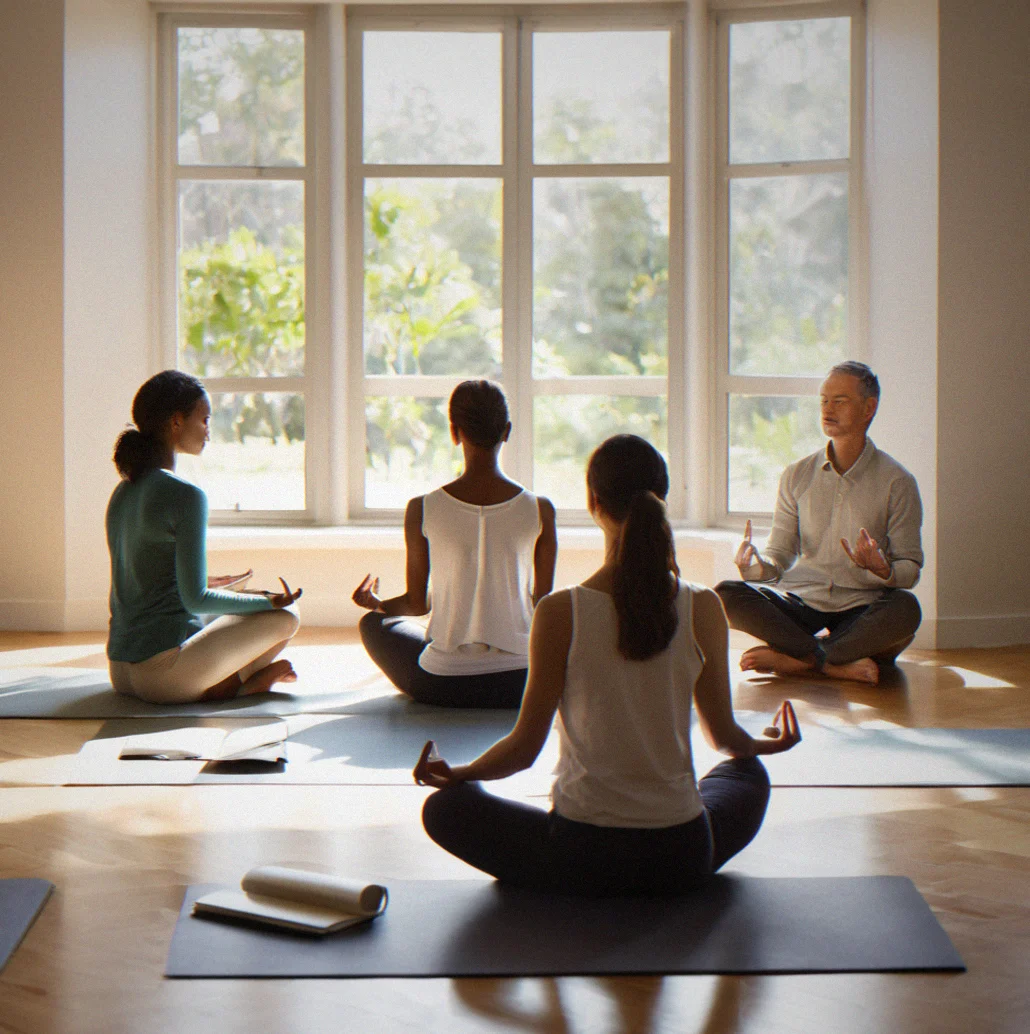
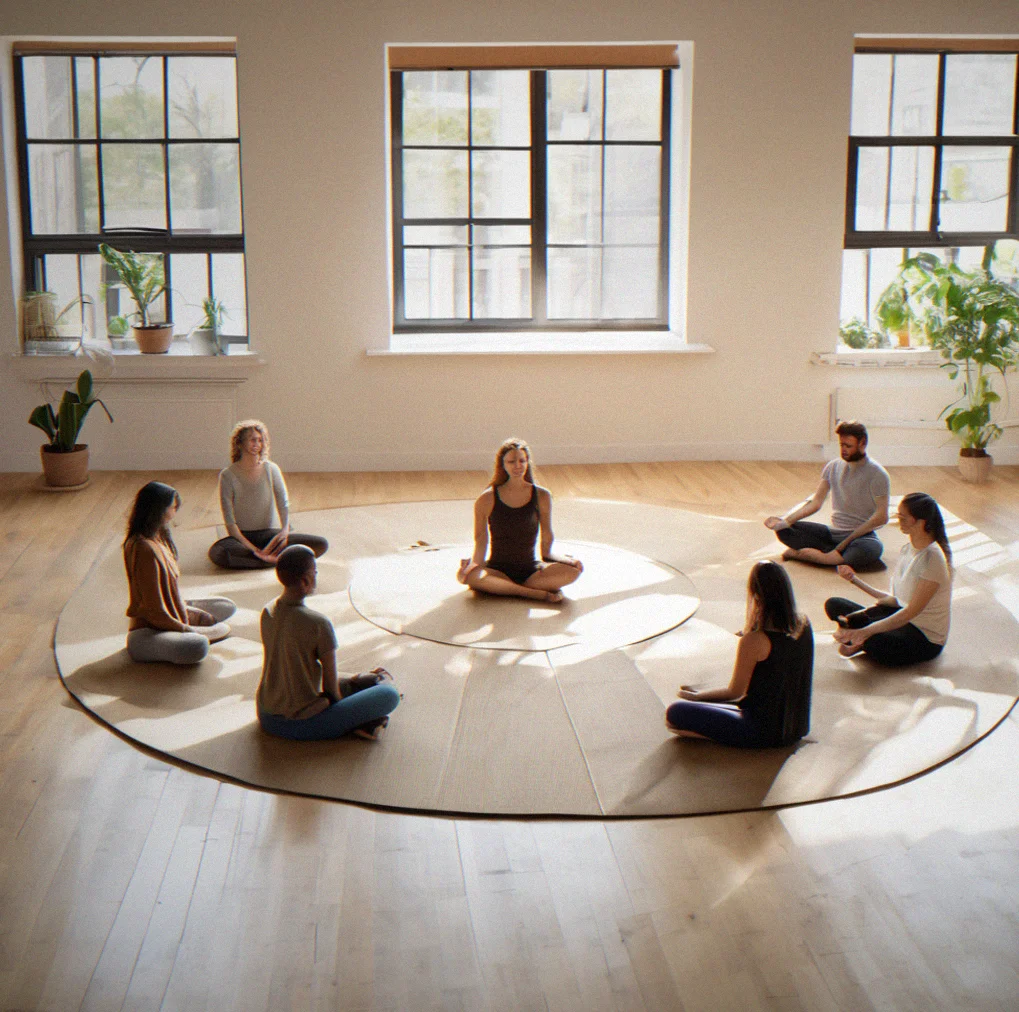
You show up. No app login, no algorithm. You're in a room with a handful of other people—maybe 4, maybe 12—and a facilitator who knows somatic practice and how to work with your nervous system. The first five minutes are about grounding. Usually just some simple breath work to get your system to settle down. Then the actual session begins. It might be a guided body scan that stretches toward 20 minutes, or breath exercises focused on vagal toning or slow movement paired with noticing what's happening. The goal isn't to chase some transcendent "zen" feeling. It's to pull your nervous system out of fight-or-flight mode into something steadier and less reactive.
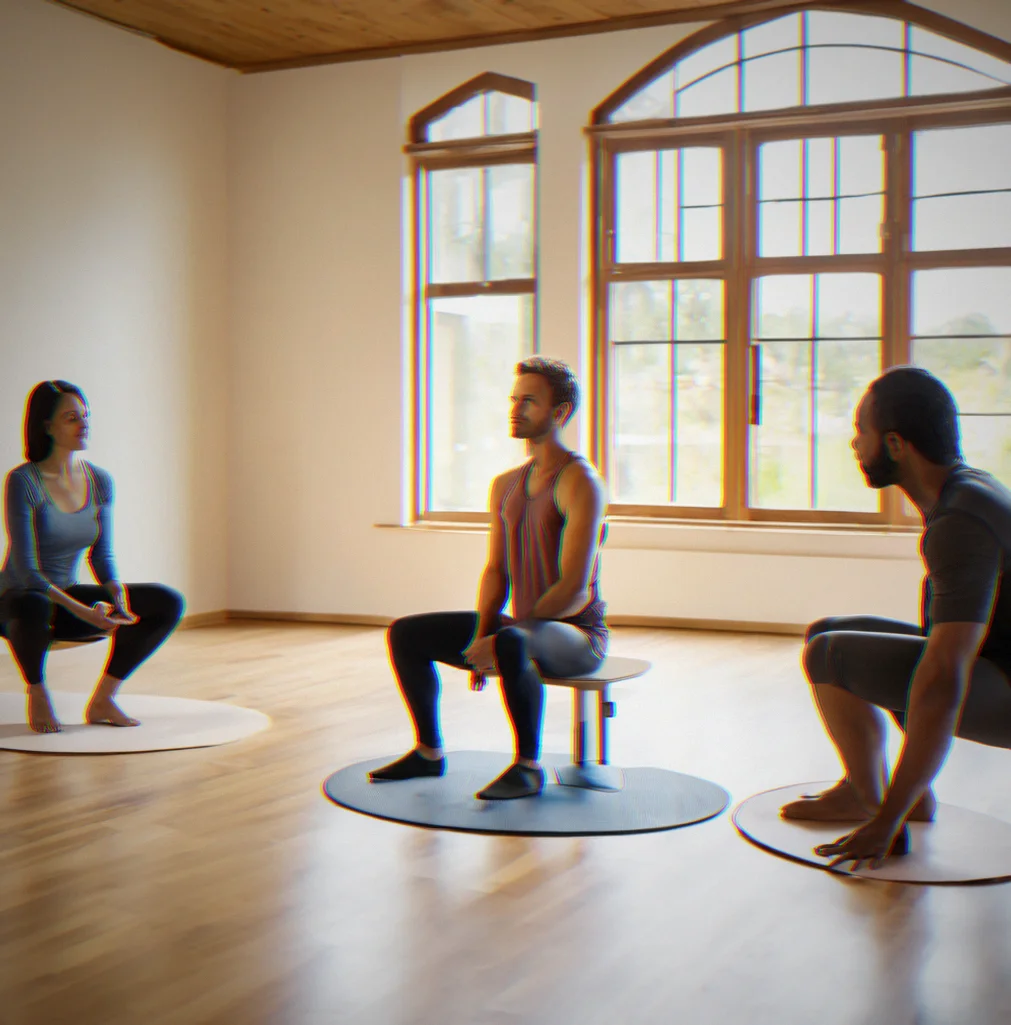
Most sessions last somewhere between an hour and an hour and fifteen minutes. You're not horizontal the whole time. Depending on what you're doing, you might be standing, sitting, or moving slowly through space. The facilitator walks you through it—where your attention should go, how to observe what's happening in your body without trying to fix it, what to do if something feels like too much. No spiritual jargon. No talk about energy or chakras. Just how your body actually works, explained in a way you can feel in real time. By the third or fourth session, most peoplle start noticing something real. A calmer baseline. Better sleep. You stop reacting to everything on instinct.
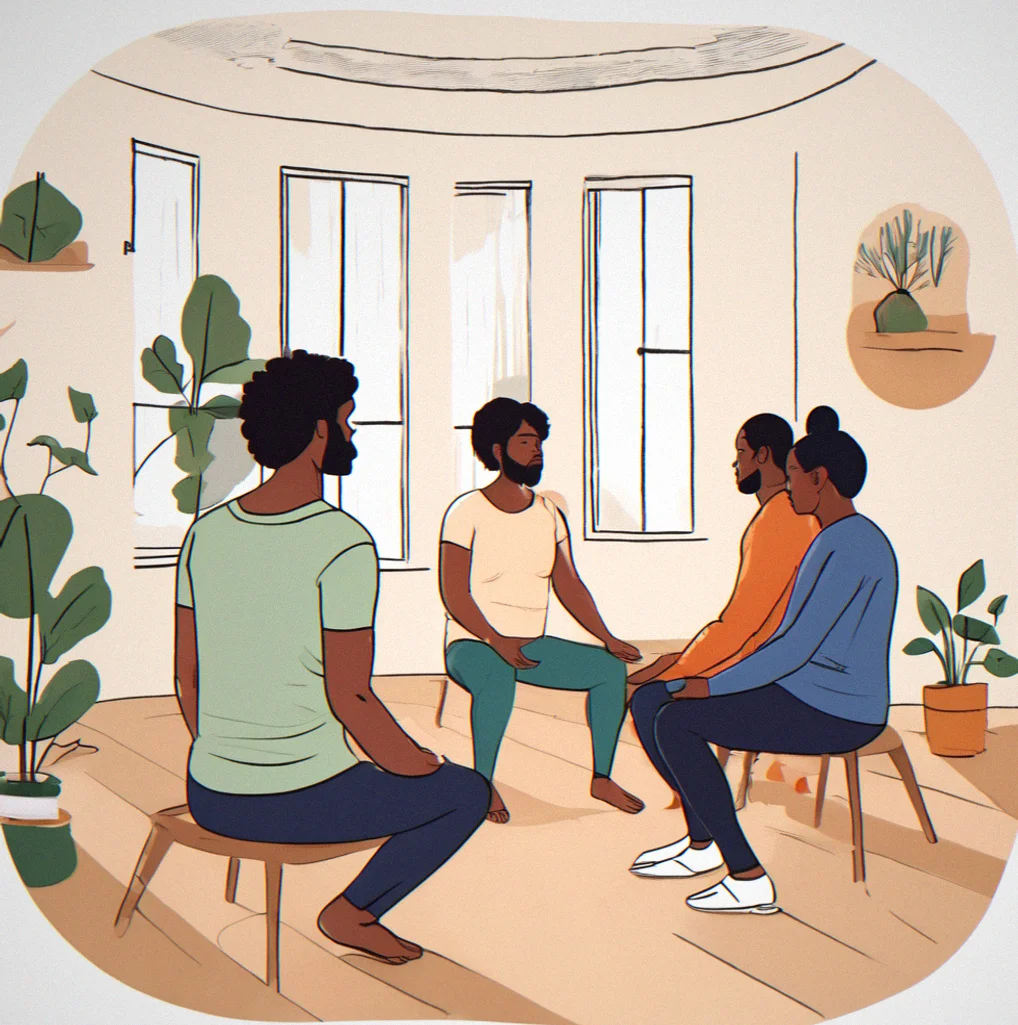
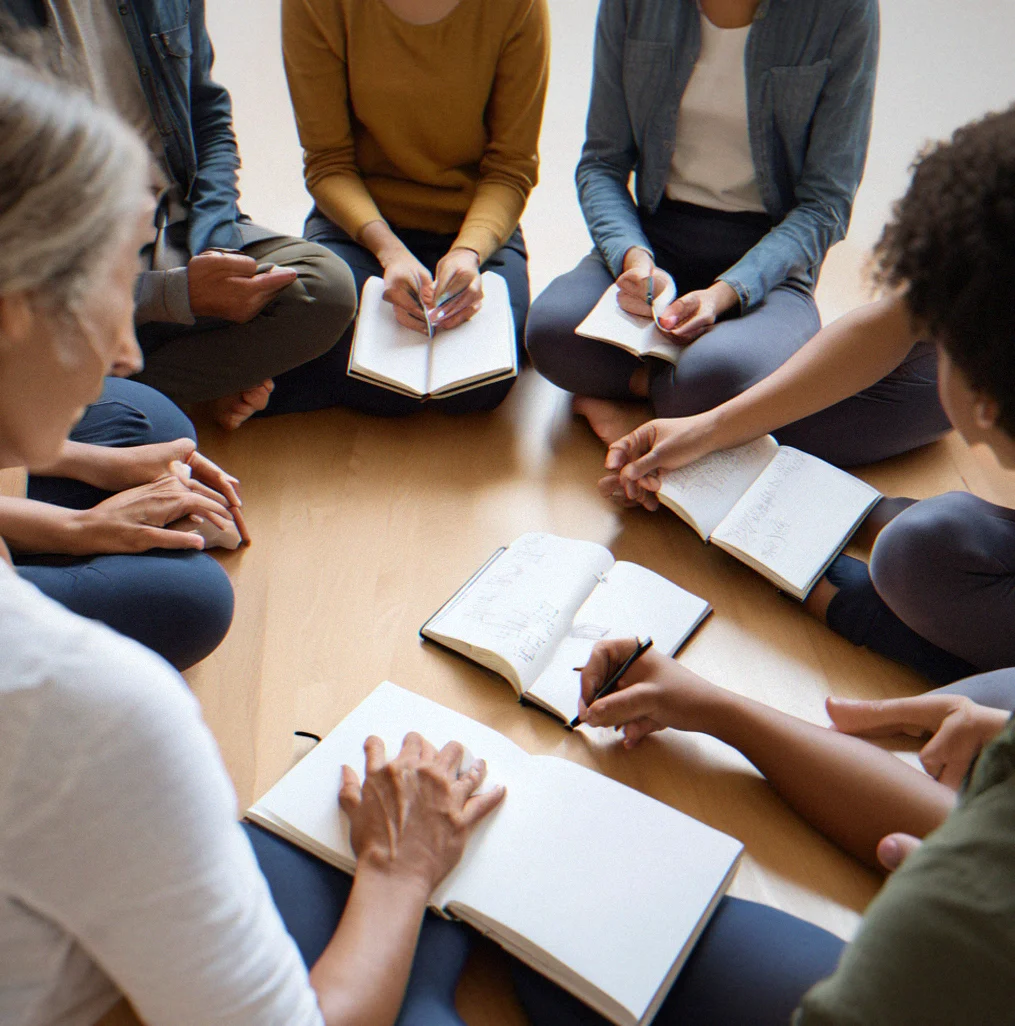
After the practice wraps up, there's usually ten minutes or so for reflection or writing if you want that. Some groups sit together and share. Nothing forced, nothing performative. You're not there to impress anyone—just to sit with whatever changed. Then you head out. You get added to a private Slack where other people post what they're noticing, ask questions, sometimes sign up for the next session right there. It's accountability from actual humans, not push notifications.
This isn't another app subscription
You're not paying for access to a library of pre-recorded content. You're paying for a seat in a real group with a real facilitator who adjusts the pacing based on what they see in the room. If half the group walks in tight-jawed and shallow-breathing, the session shifts. More grounding work. Slower pace. The facilitator notices because you're all in the same physical space, and that matters.
Community accountability is different from notification accountability. You commit to showing up Tuesday at 6 PM and there are 8 other people counting on your presence. You show up. The moment you arrive and feel the nervous systems in the room already starting to settle, it becomes real. Not performative. You're not earning points or streaks. You're just learning what it feels like to be held by other people doing the same work.
Most people notice something shifts between session 3 and session 5, assuming they don't drop out first, which some do. Better sleep. Less reactivity to small frustrations. A steadier baseline through the day. That's worth paying for. Not because you're fixed—burnout doesn't work that way—but because your nervous system has learned a different way to organize itself. You've got people in a Slack channel who get it. No explaining required.
Somatic practices, not apps
Body-based nervous system work you can feel, not instructions on a screen. Breathwork, movement, body awareness taught live by someone who can see and adjust for your pace.
Small groups (4–12 people)
Big enough to feel like community. Small enough that the facilitator knows how you typically hold tension and sees when something shifts.
Structured and repeatable
Sessions follow a clear arc: grounding, main practice, integration. You know what to expect. Your body learns it. Trust builds.
Real facilitators, no algorithm
Someone trained in somatic practice and nervous system science runs each session. Not a pre-recorded video. Not a bot. A person who's studied this work and shows up to help you regulate.
Who this actually works for
Meditation apps sound great until they're not. Another push notification, another thing you feel obligated to do, and no one checking in when you slip. You've thought about therapy too but you're not trying to dig into your past right now. What you actually need is to stop your body from panicking at 2 in the morning. You need to know you're not the only one dealing with this specific kind of burnout. That's what Mellowbridge does.
Walk in and you'll see mostly people in their 30s and 40s. They work jobs that ask something of them. They care about their relationships. Their bodies are speaking louder than they used to about how much stress is actually too much. They're also naturally skeptical—which makes sense. They want to know what's actually happening in the 60 minutes they're committinng to. They want someone who can explain why the breathing exercises are calming their nervous system, not someone talking about opening their chakras or whatever.
You show up. You do the work. You feel different. Most people sleep better and stop overreacting to small stuff within the first few sessions. That's not a guarantee, but it's what happens when you actually learn how your body's stress response works. Some stick around for months. Others come back when they need it. Either way you're not just deleting an app and disappearing. There are real people in a Slack who notice you're gone.
4–12
people per session (intimate enough that you're not anonymous)
60–75
minutes per session (long enough to matter, structured enough to plan for)
3–5
sessions before the shifts start showing up
0
Live facilitators trained in somatic practice
Not a pre-recorded video. Someone watching what's actually happening with your body and adjusting the intensity and pacing in real time. That responsiveness changes everything.
Nervous system reset as the actual goal
Breathwork and movement designed to pull you out of fight-or-flight mode and into actual rest. You feel it the same session. You can measure it.
Real people expecting you to show up
When a group of actual humans is waiting for you on Tuesday at 6 PM, you go. And the moment you arrive, you feel them settling down too. That's accountability that sticks.
Grounded in nervous system science, not vibes
Somatic practices and breathing techniques that work because of how your body is wired. No metaphors about energy. Just mechanics you can understand and feel working.
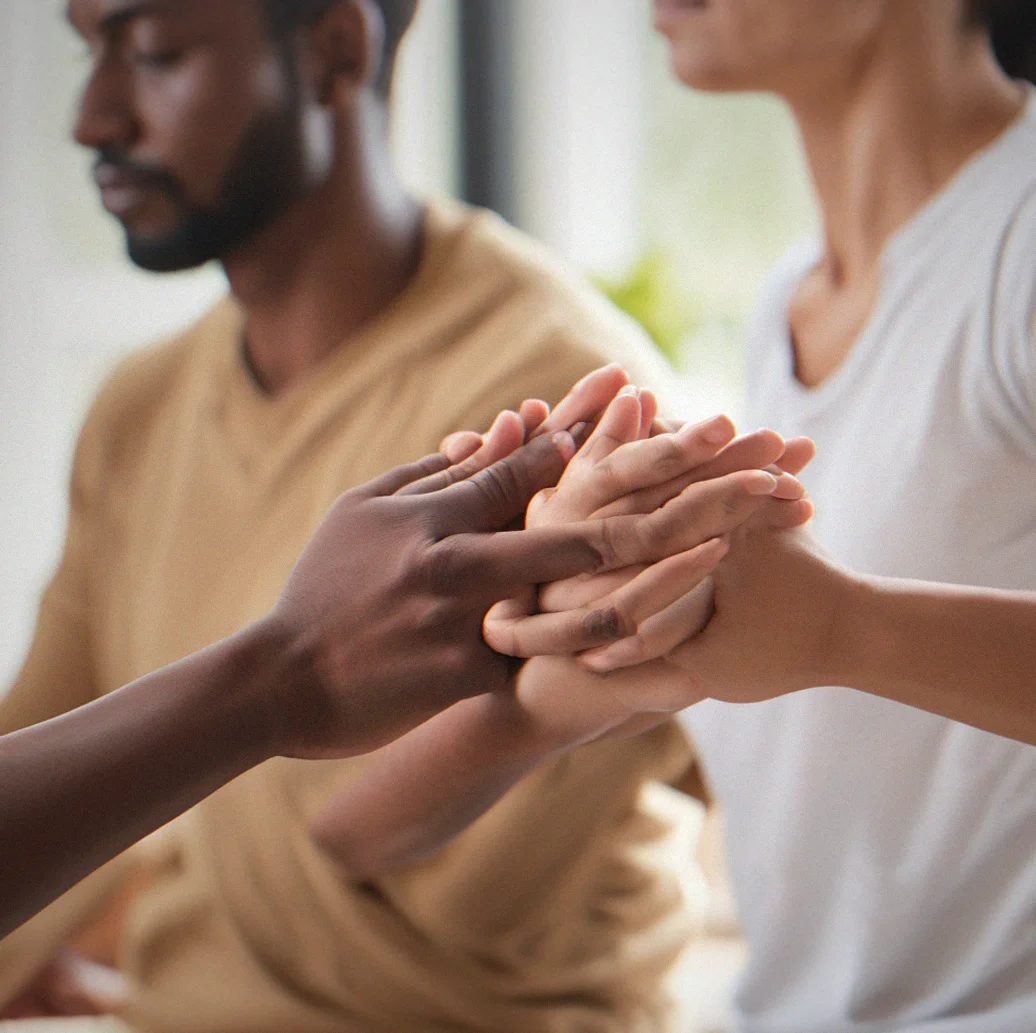
Reset your nervous system in an hour
You show up wound tight. Shoulders locked, breathing shallow, myabe your mind won't slow down. Somewhere around the 45-minute mark, your vagus nerve starts responding differently. It's not some placebo thing — the shift actually happens, and you feel it right away.
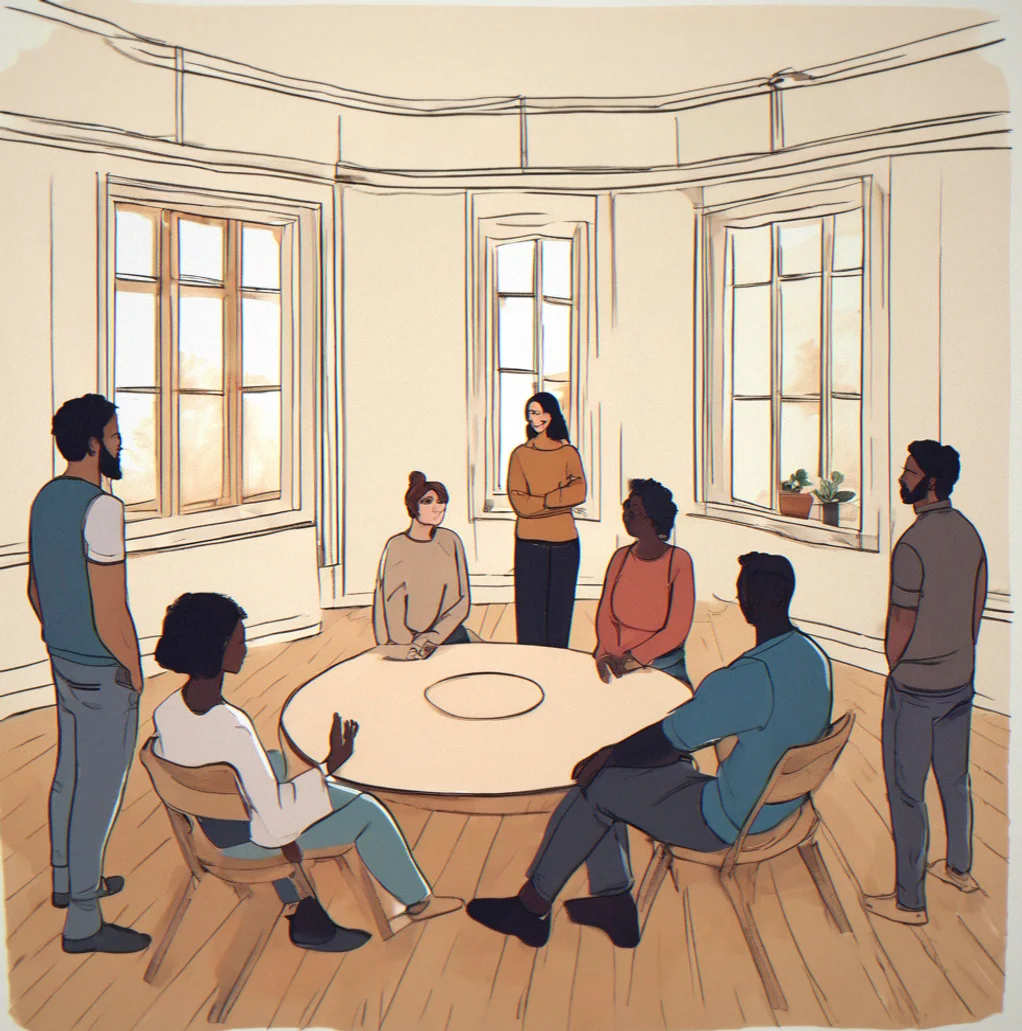
A small group that holds you accountable
Eight other people are showing up Tuesday at 6 PM, and they're actually expecting you there. No app notifications, no arbitrary streak to chase. Real people who'll genuinely ask where you went if you stop coming. That matters more than you'd think.

Somatic work that actually teaches your body something
Breathing patterns work alongside body awareness. You move slowly while staying present. Vagal toning — the actual neuroscience of nervous system regulation — gets translated into things your body can learn and hold onto. Not another meditation app telling you to picture yourself on a beach.

Someone who knows how to read your nervous system
A trained facilitator spends the full session watching you, noticing where tension lives, how your breath changes, the moment you're starting to feel overwhelmed. They shift what they're offering based on what they see, right there in the moment. It's live, it's in person, it's attentive.

Real changes show up within a few weeks
Sleep usually improves first. Then you notice you're not reacting so hard to minor annoyances. By your second week, your default state feels a bit calmer — not because something got fixed, but because your nervous system found a steadier way to work.
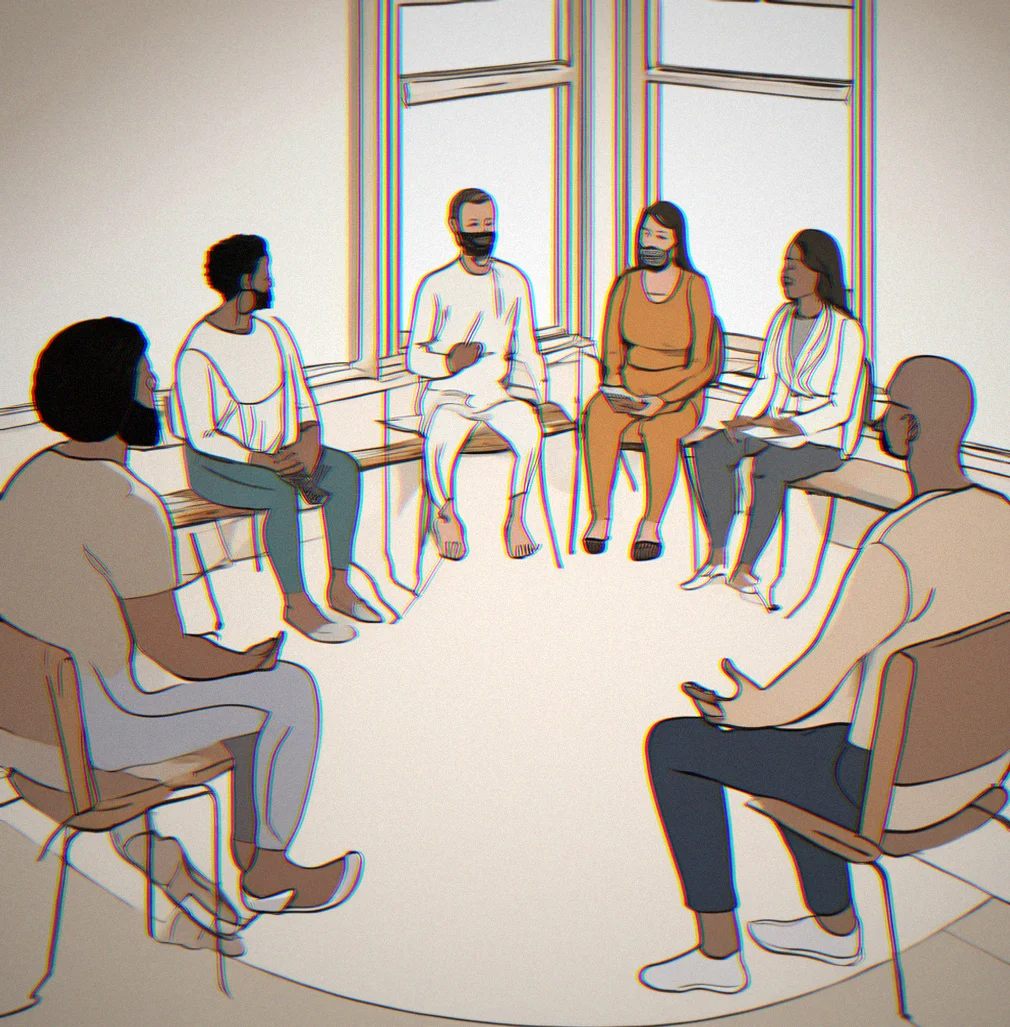
Grounded in science, not mysticism
Breathwork, body scans, vagal awareness, intentional movement. Everything's rooted in nervous system science, which means you can actually understand what's happening and why it's working. No mystery, no faith required.
Things people ask before showing up
Most of these get answered once you've done one session. But here's what we hear first.
Neither. It's structured nervous system regulation work in a group setting. You're not processing your past or setting goals with a coach. You're learning how your nervous system actually works — what shifts it toward calm, what keeps it stuck in fight-or-flight. If you need clinical support, see a therapist. This complements that work, not replaces it.
No. Most people who show up have never done formal meditation. The work is about body awareness and breath patterns, not clearing your mind or reaching some special state. If you can notice what's happening in your shoulders and slow your breathing down on purpose, you're ready.
Sleep usually improves within the first few sessions. By your fifth time, most people report less automatic reactivity — you know, not snapping at small frustrations. Full nervous system recalibration takes a while, but you'll feel the shift early. Some people notice it the first night after attending.
The facilitator adjusts immediately. We move slower, add more grounding work, use shorter breath cycles instead of longer ones. You're not forced to stay in anything uncomfortable. And you learn — in real time, with support — that your nervous system can shift out of panic when someone knows what they're doing. That's actually powerful to experience.
No. We talk about the vagus nerve, parasympathetic activation and sympathetic downregulation. About breath patterns that slow your heart rate. About how your body holds tension and how somatic awareness helps release it. If someone says "energy" or "chakra," they don't work here.
Then show up when you can. Some people attend twice monthly, some come regularly for a few months then pause. The community keeps a Slack channel open so you're not disappearing into silence — people check in, ask where you went, genuinely care if you come back. No judgment. Just presence when you're there.
Get the weekly schedule and nervous system tips sent straight to you.
Tuesday mornings you'll get a short email with what's happening that week, one breathing technique you can actually use and the occasional heads-up about new facilitators or different group times. No junk, no sales. Just things that work.
You're in.
Look for the schedule and a breath work guide in your inbox. Most people get into a session within the first few days.